The C3 Revenue System: Where Growth Actually Connects
A practical way to see how discovery, experience, follow-up, operations, and measurement either reinforce each other—or quietly leak revenue.
In this insight
Most growth problems are described at the channel level: the website needs work, search has slipped, leads are slow, campaigns are expensive. Those observations can be true, but they are rarely the whole diagnosis. A business earns revenue through a chain of connected decisions. When one part is unclear or slow, effort added upstream often leaks out before it becomes a useful commercial outcome.
What is a revenue system?
A revenue system is the connected path between being discovered and learning what produced a sale. It includes the customer experience, the route to a next step, the handoff to a person or workflow, and the measurement that tells the business what to improve. The system is not a piece of software or a marketing funnel template. It is the set of real conditions that make revenue easier—or harder—to create.
- 01
Discovery
Can the right buyer find and understand the business in search, referrals, AI answers, social, or paid channels?
- 02
Experience
Does the site or campaign make the value, proof, and next decision clear?
- 03
Capture
Can a qualified visitor call, book, request, buy, or otherwise take the useful next step without friction?
- 04
Follow-up
Does the team receive context, respond reliably, and move the opportunity forward?
- 05
Sale + retention
Does the commercial process deliver the promise and create a reason to continue the relationship?
- 06
Measurement
Can the business see what generated a useful opportunity and where the path is breaking?
Where revenue leaks
A search program can create demand that lands on a vague page. A polished website can collect forms that disappear into an unowned inbox. A sales team can work hard without knowing which channels create qualified conversations. None of these are isolated failures. They are handoff failures, and they are why adding more traffic is sometimes the least useful first move.
The practical question is not, 'Which service should we buy?' It is, 'What is currently preventing the next useful action from happening?' Sometimes the answer is a website. Sometimes it is search clarity, response time, a scheduling workflow, reporting, or a tool that forces people to reconstruct work after the fact.
How C3 uses the model
C3 uses this model to keep strategy close to the actual work. A focused engagement can improve one constraint. A broader engagement can connect several parts of the path when they genuinely depend on each other. The scope follows the business problem; it is not a preset package with every capability attached.
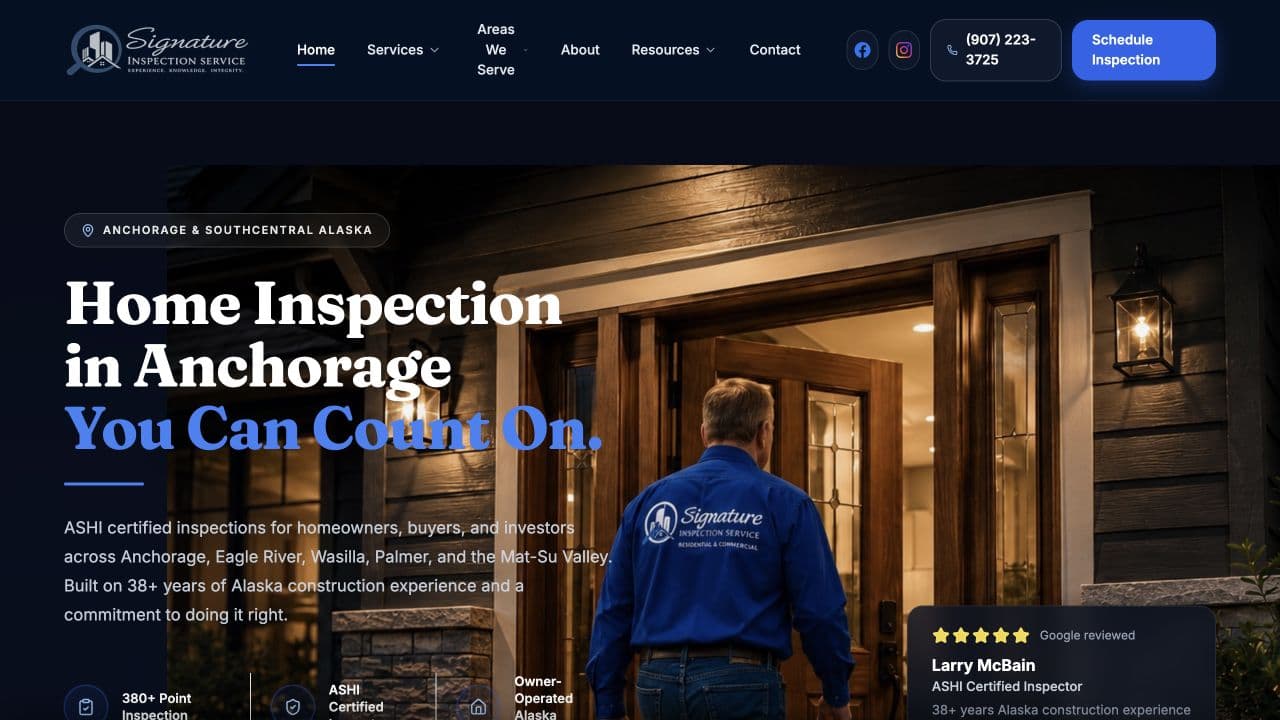
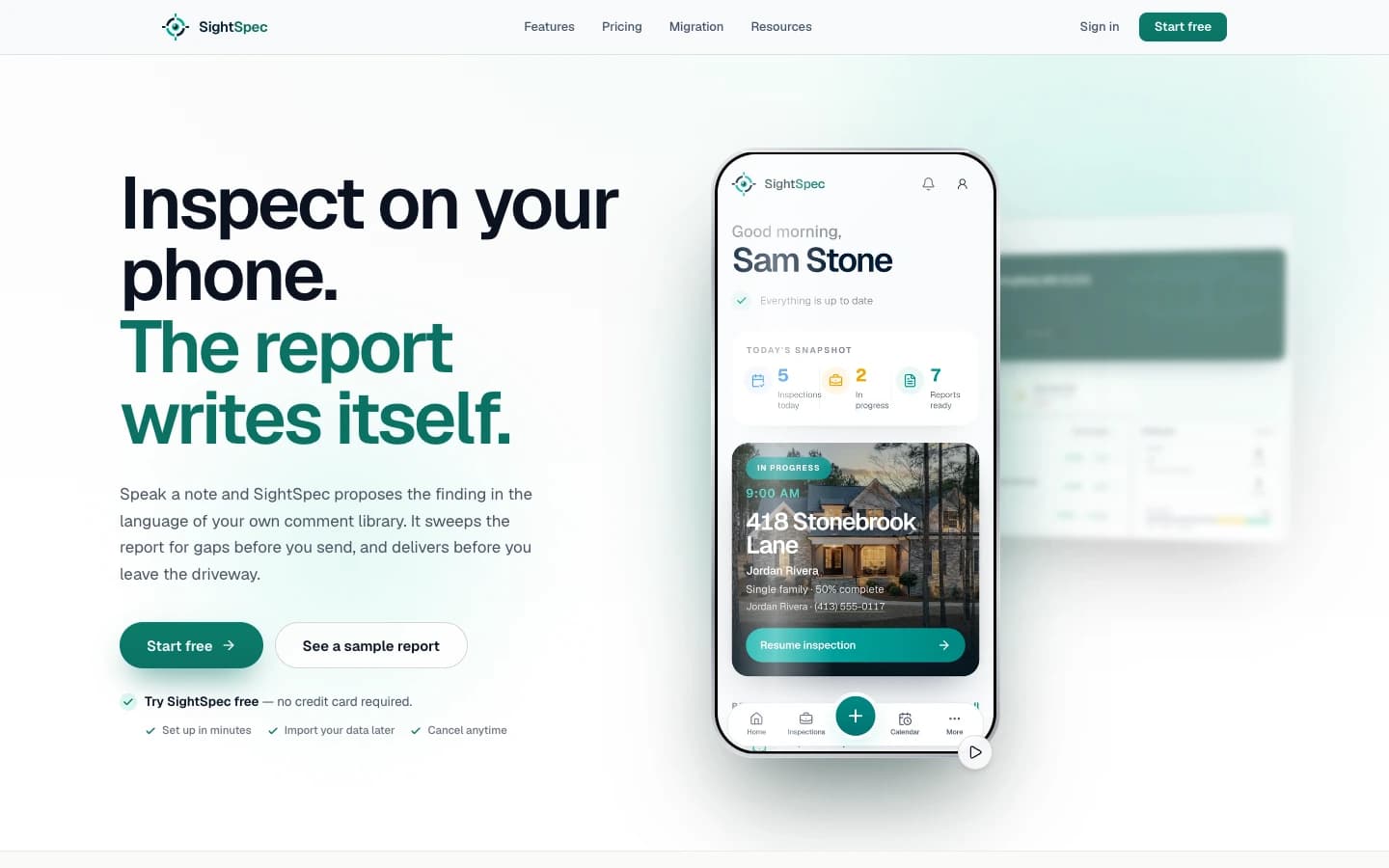
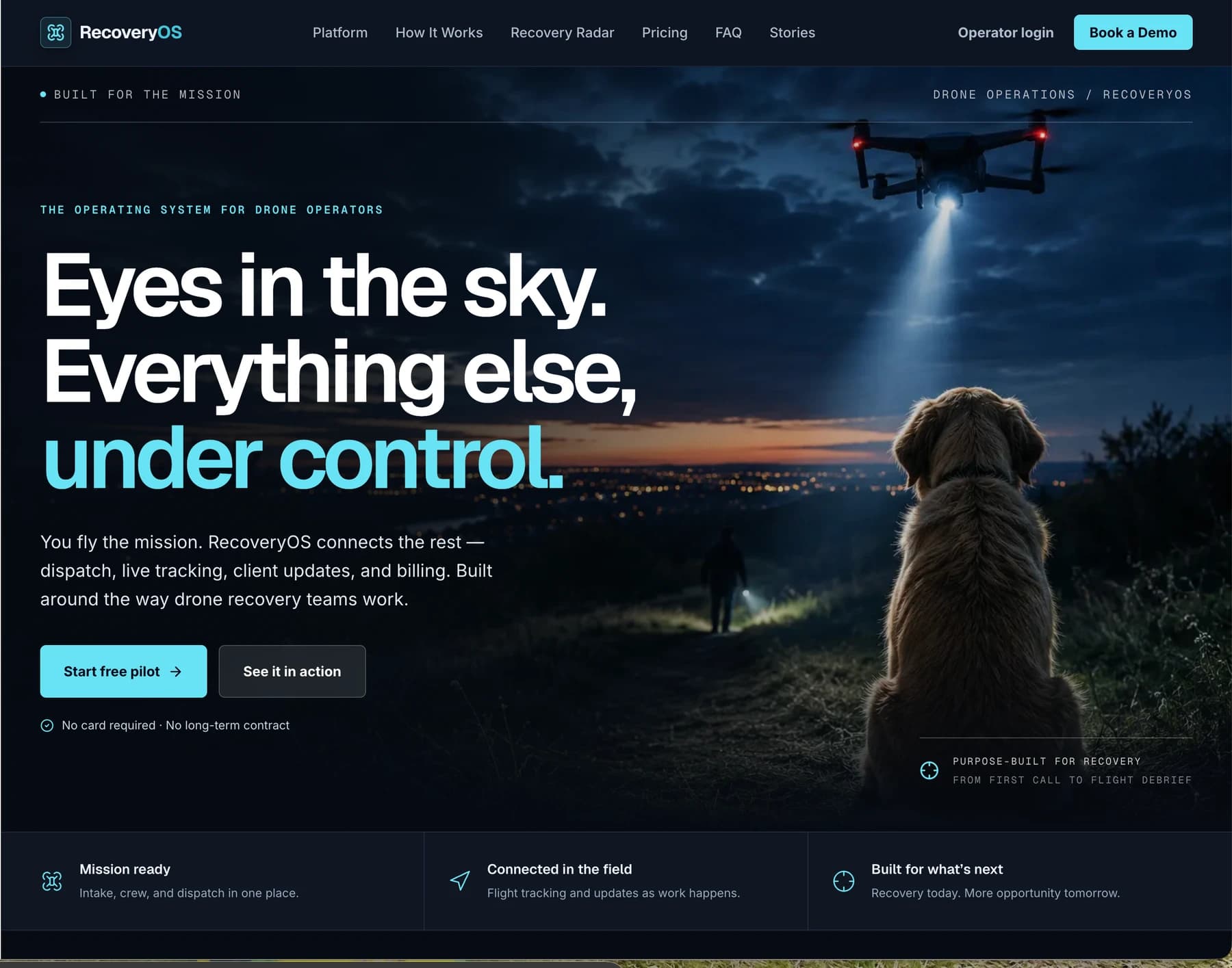
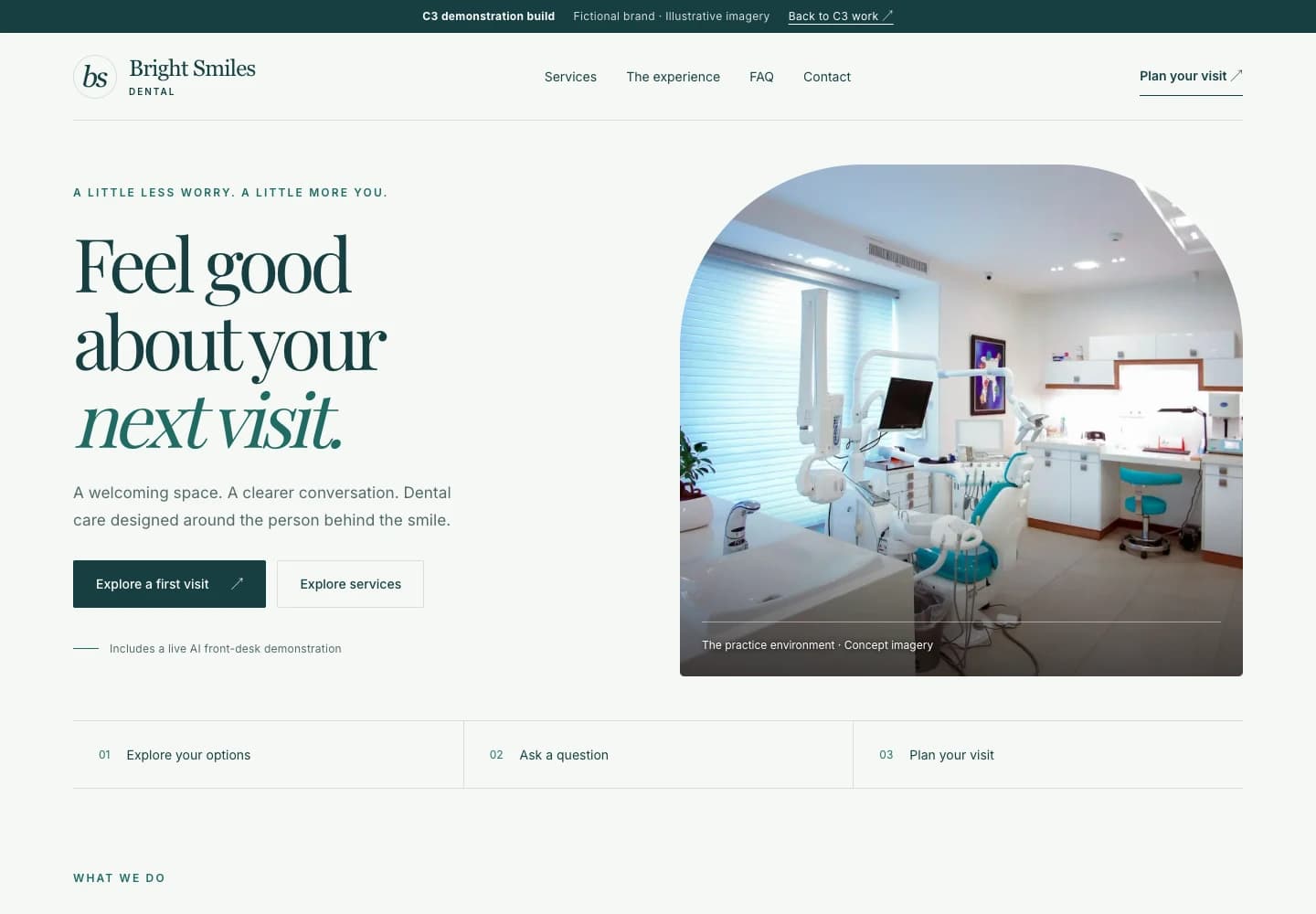
The work C3 builds makes this concrete. Demonstration websites show how discovery and conversion can connect. SightSpec and RecoveryOS show the same thinking applied to operational workflows: capture the work once, keep context intact, and make the next action easier for the people responsible for it.