When to Build Software Instead of Buying Another Tool
The question is not whether custom software is more impressive. It is whether a fragmented tool stack is creating a durable operational constraint.
In this insight
Buying software is usually the right default. Mature products handle common jobs well, update continuously, and are cheaper to adopt than building from scratch. The case for custom software begins when the business keeps paying for tools yet still asks people to bridge the same important gaps manually.
Signals that the workflow—not the feature list—is the problem
- People repeatedly copy data between systems to keep work moving.
- The business process is distinctive enough that a generic tool creates workarounds at every important handoff.
- Information captured in the field, by a customer, or by one department has to be reconstructed later.
- The team cannot see a useful end-to-end status without exporting and reconciling several systems.
- A manual process is now limiting response speed, consistency, or the customer experience.
Build the smallest useful operating surface
Custom software should not begin with a speculative platform. Start with the workflow that carries the most friction, the people who do it, the decisions it supports, and the information that is currently lost. The first useful product may be an internal tool, a connected workflow, or a focused application that replaces one broken handoff.
What C3's products demonstrate
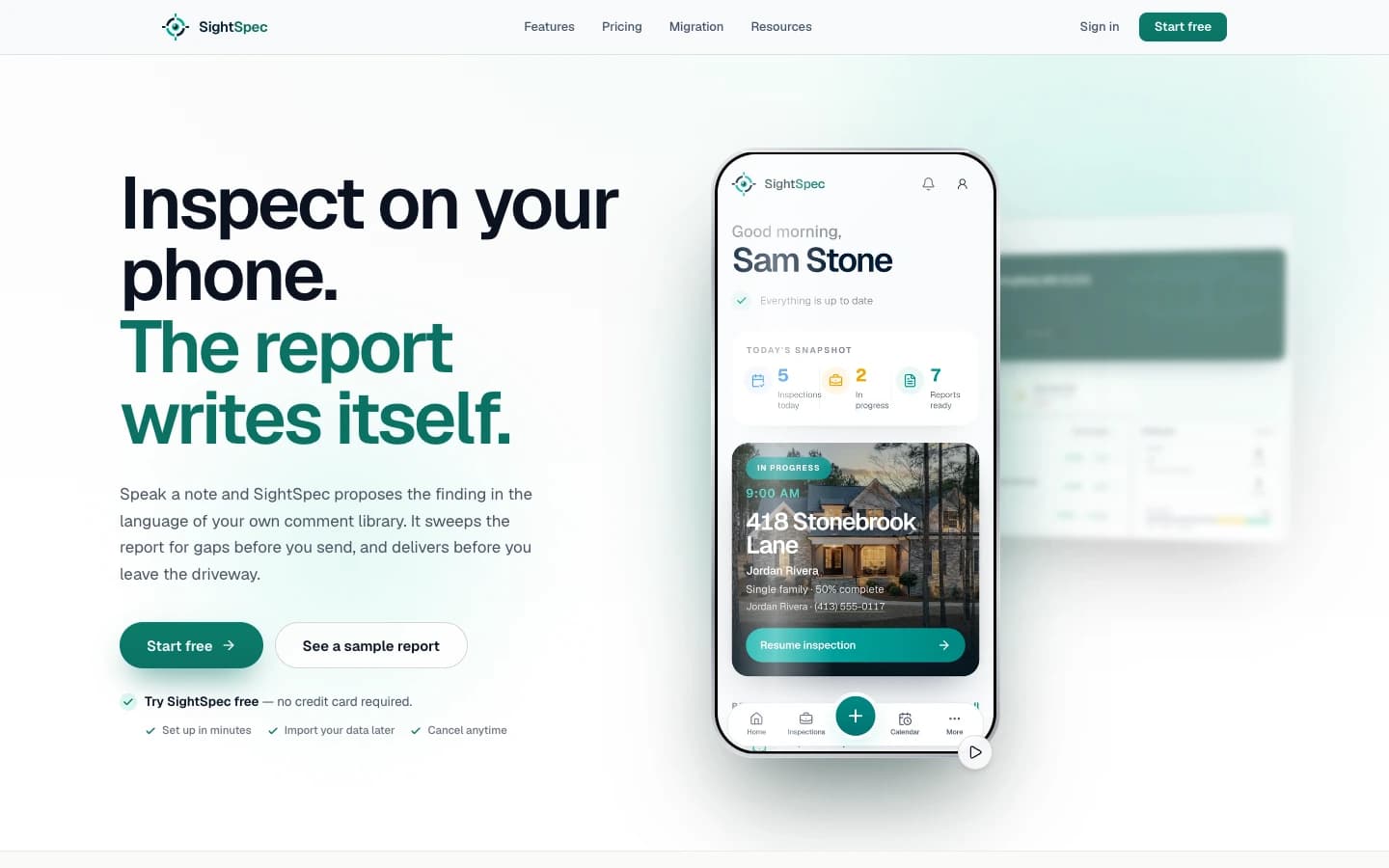
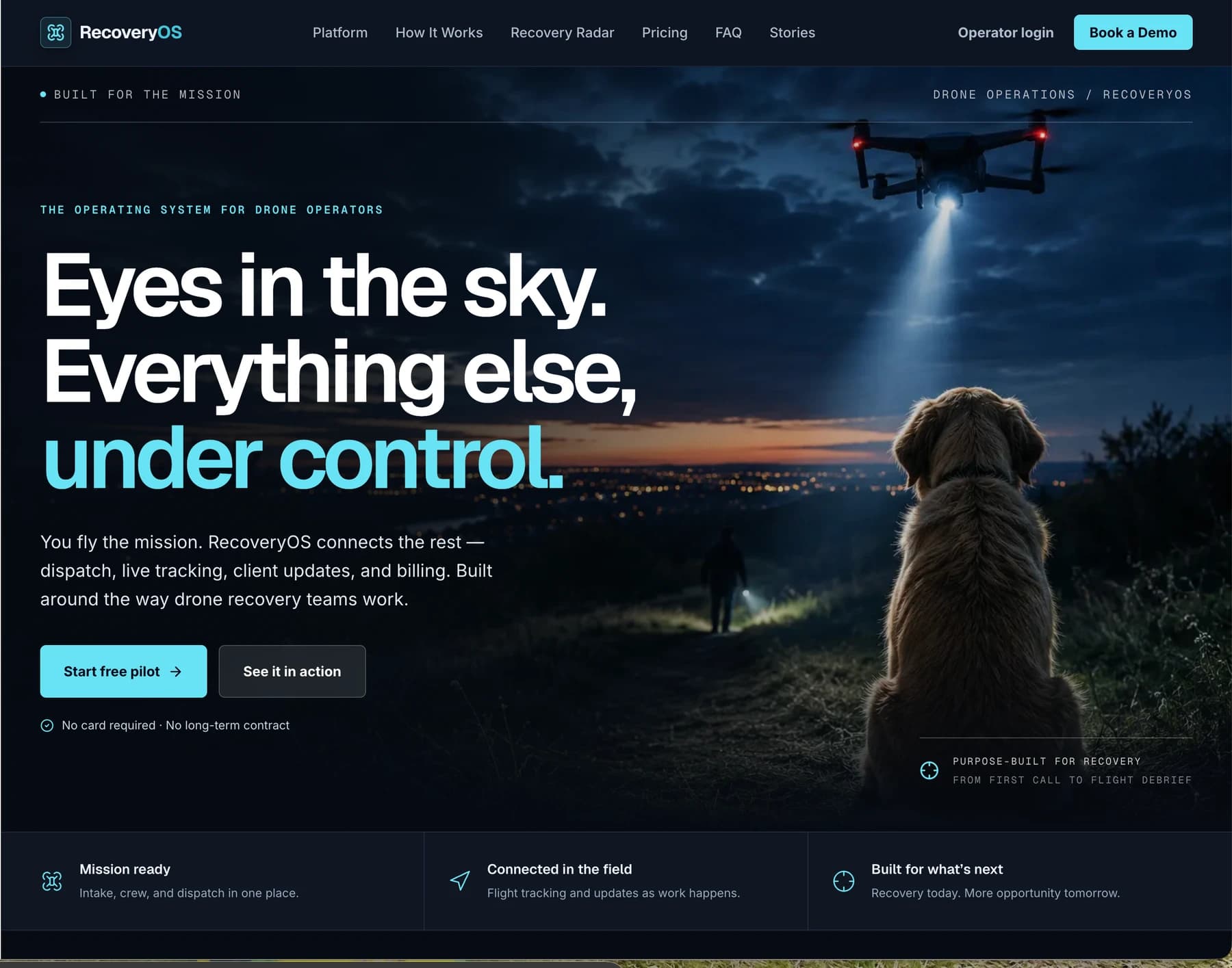
SightSpec is an inspection product built around capture in the field, report workflow, and delivery. RecoveryOS is an operations product for drone recovery teams. RevenueOS, RealEstateOS, and Calendar Connect demonstrate additional C3 operating product surfaces. These products are evidence of C3's product strategy, UX, workflow, automation, and software capability. They are clearly labeled as C3 products, not client work.
The decision to build should be made on operational evidence, not novelty. A good custom system removes ambiguity, preserves context, and makes an existing business process easier to run. If it does not, buying a better existing tool may still be the smarter move.